No Spend Month Challenge: Rules, Tips & My Results
Have you ever looked at your bank account at the end of the month and wondered, where did all my money go? I have. More times than I want to admit.
That feeling is exactly why I decided to try the no spend month challenge. I was tired of small purchases eating my paycheck. I was tired of subscriptions I forgot about. And I was tired of feeling broke even when I earned enough.
So I made a plan. I set rules. I followed them for 30 days. And the results changed how I look at money forever.
In this guide, I will share everything. The rules I used. The tips that helped me stick with it. The mistakes I made. And the real numbers from my no spend month results. If you want to save money fast and reset your spending habits, this challenge is one of the simplest ways to do it.
Let’s get into it.
What Is a No Spend Month Challenge?
A no spend month is a 30-day money challenge where you stop spending on anything that is not essential. You only pay for true needs like rent, bills, groceries, gas, and medicine. Everything else is off-limits for the full month.
Think of it as a financial detox. You hit pause on all the extra spending. No takeout. No new clothes. No coffee runs. No random Amazon orders at midnight.
The goal is simple. Save money. Notice your habits. And learn the difference between what you need and what you want.
Most people who try a no spend month save between $300 and $1,500 in just 30 days. The exact number depends on your normal spending. But almost everyone is shocked by how much they save.
Why I Decided to Try a No Spend Month
Before I started, I did a quick check of my last three months of spending. The numbers shocked me.
I had spent over $400 on takeout. Around $180 on subscriptions I rarely used. And almost $300 on “small” Amazon orders. That was nearly $900 a month gone, and I had nothing to show for it.
I had three real reasons to try a no spend month challenge:
- I wanted to build my emergency fund faster.
- I wanted to break my online shopping habit.
- I wanted to feel in control of my money again.
If any of these sound like you, this challenge can help. You do not need to be in debt to try it. You just need to want better control over your money.
My No Spend Month Rules (The Ones That Actually Worked)
Rules are the most important part of a no spend month. Without clear rules, you will cheat without even noticing. Here are the exact rules I followed.
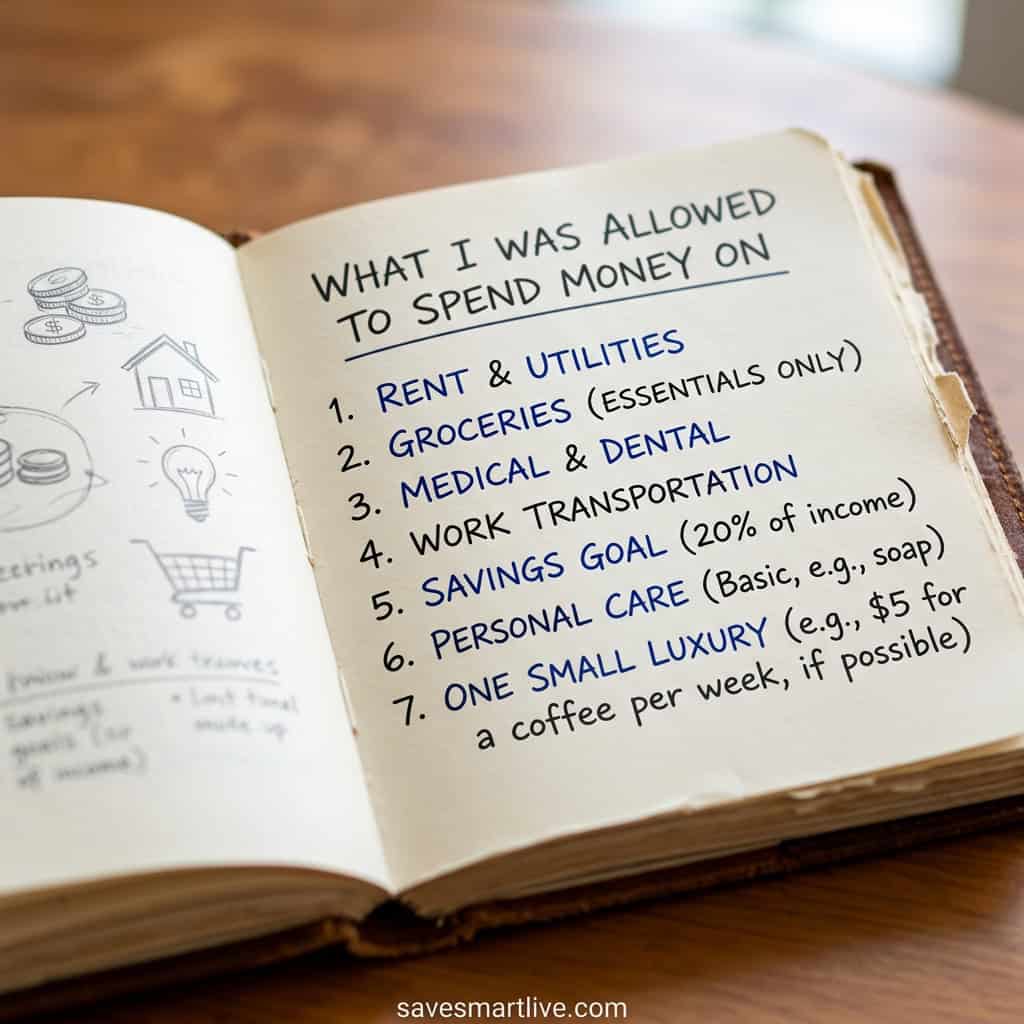
What I Was Allowed to Spend Money On
These are the essentials I kept paying for during my no spend month:
- Rent and utility bills
- Groceries (basic, not gourmet)
- Gas for my car
- Medical needs and prescriptions
- Phone and internet
- Insurance payments
- Pet food and pet care
- One pre-planned birthday gift for my mom
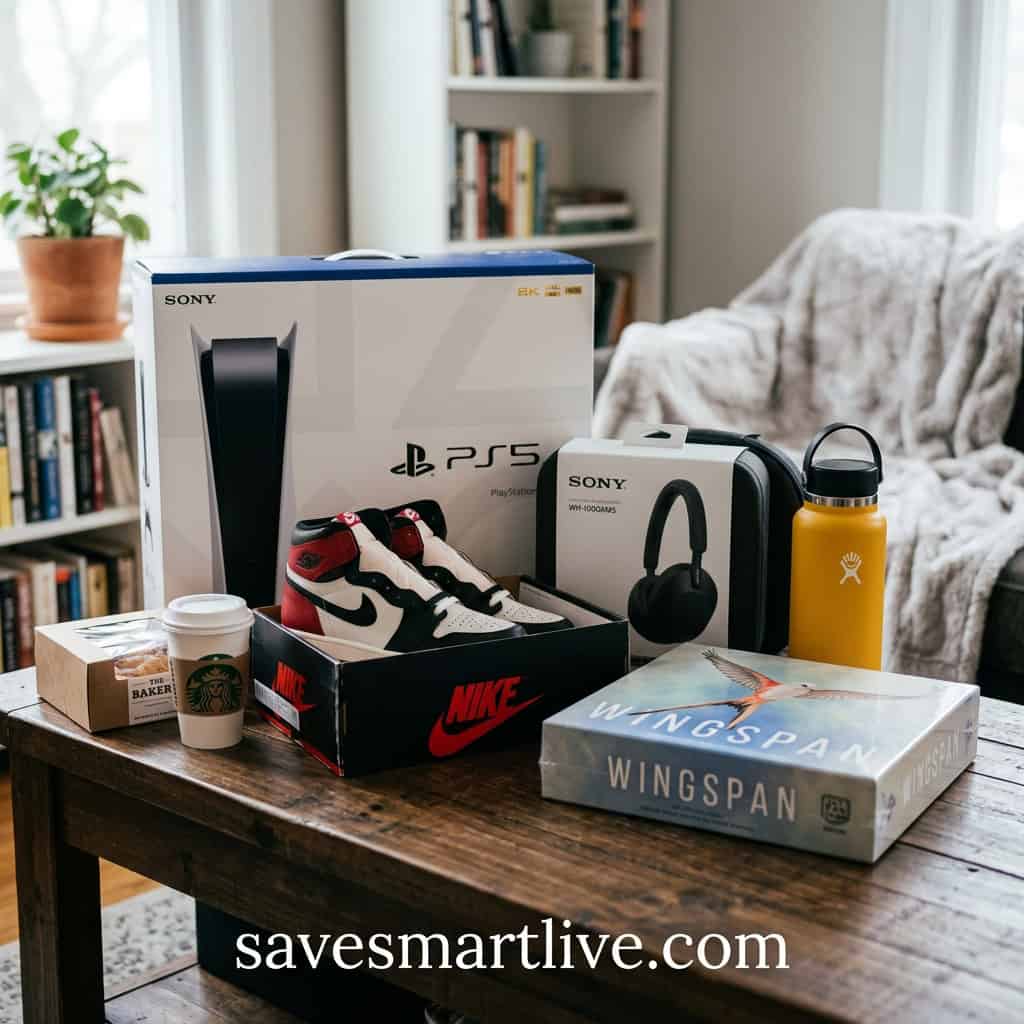
What I Was NOT Allowed to Spend Money On
These were completely off-limits for 30 days:
- Restaurants, takeout, and coffee shops
- New clothes, shoes, or accessories
- Beauty products and makeup
- Streaming services I could pause
- Books, magazines, and apps
- Home decor and “small treats”
- Online shopping of any kind
- Entertainment like movies or events
- Random snacks at the gas station
No Spend Month Challenge
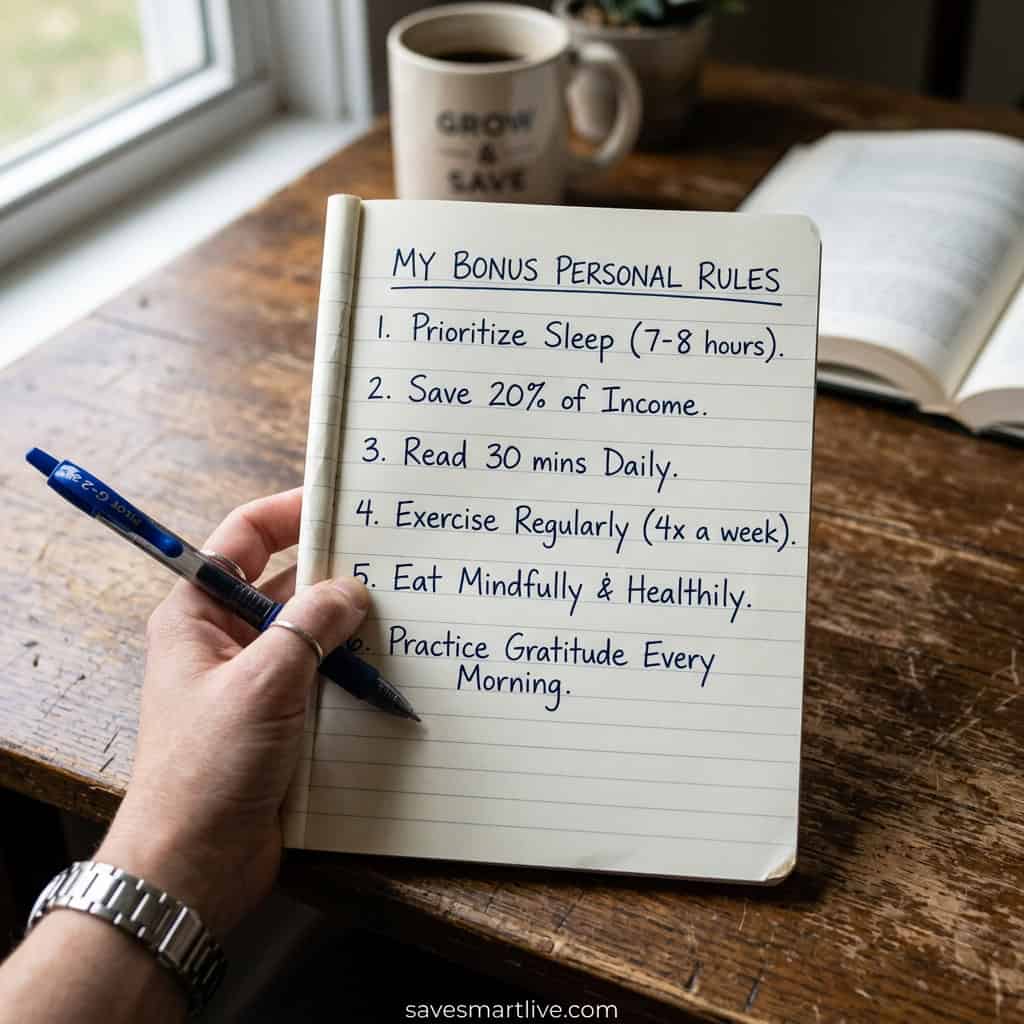
My Bonus Personal Rules
I added a few extra rules to make the challenge stronger:
- No browsing shopping apps. I deleted Amazon and Shein from my phone.
- No “saving for later.” If I wanted something, I added it to a wishlist for after the challenge.
- One free fun activity per week, like a hike or movie night at home.
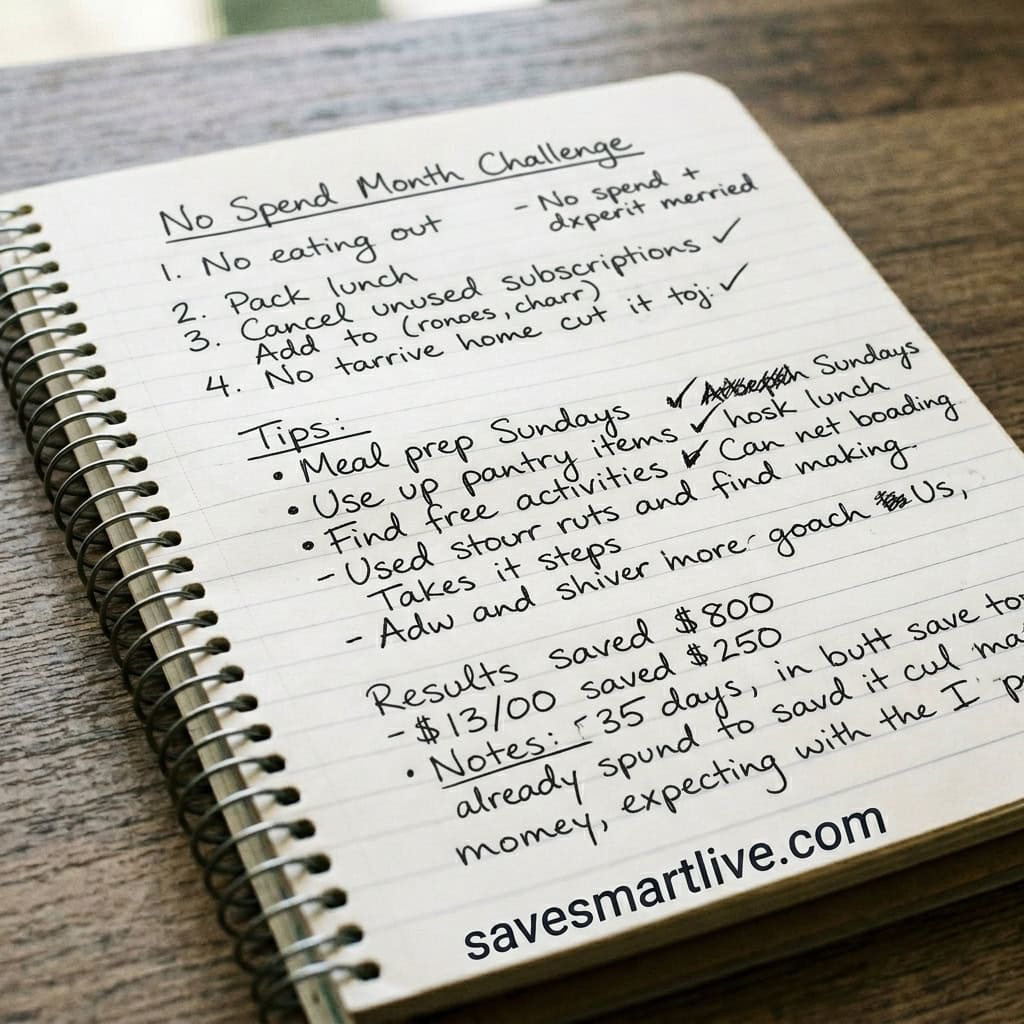
- Track every dollar in a notebook, even allowed spending.
You can copy these rules or change them based on your life. The point is to write them down before you start.
How to Prepare for a No Spend Month
The week before your no spend month is more important than the month itself. Good prep makes the challenge much easier. Here is exactly what I did.
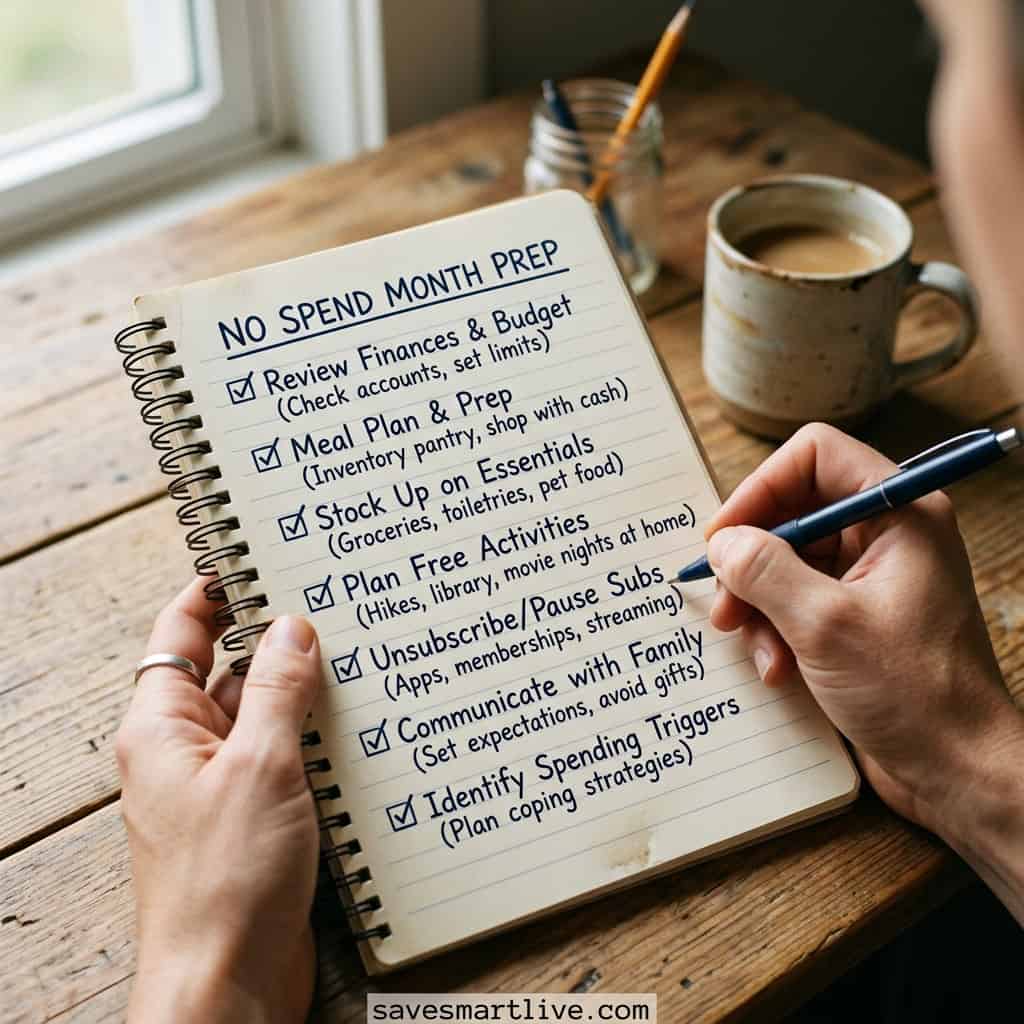
1. Take a Pantry and Freezer Inventory
I wrote down everything I already had. I was surprised to find rice, pasta, frozen chicken, canned beans, and tons of spices. This alone gave me two weeks of meals without buying much.
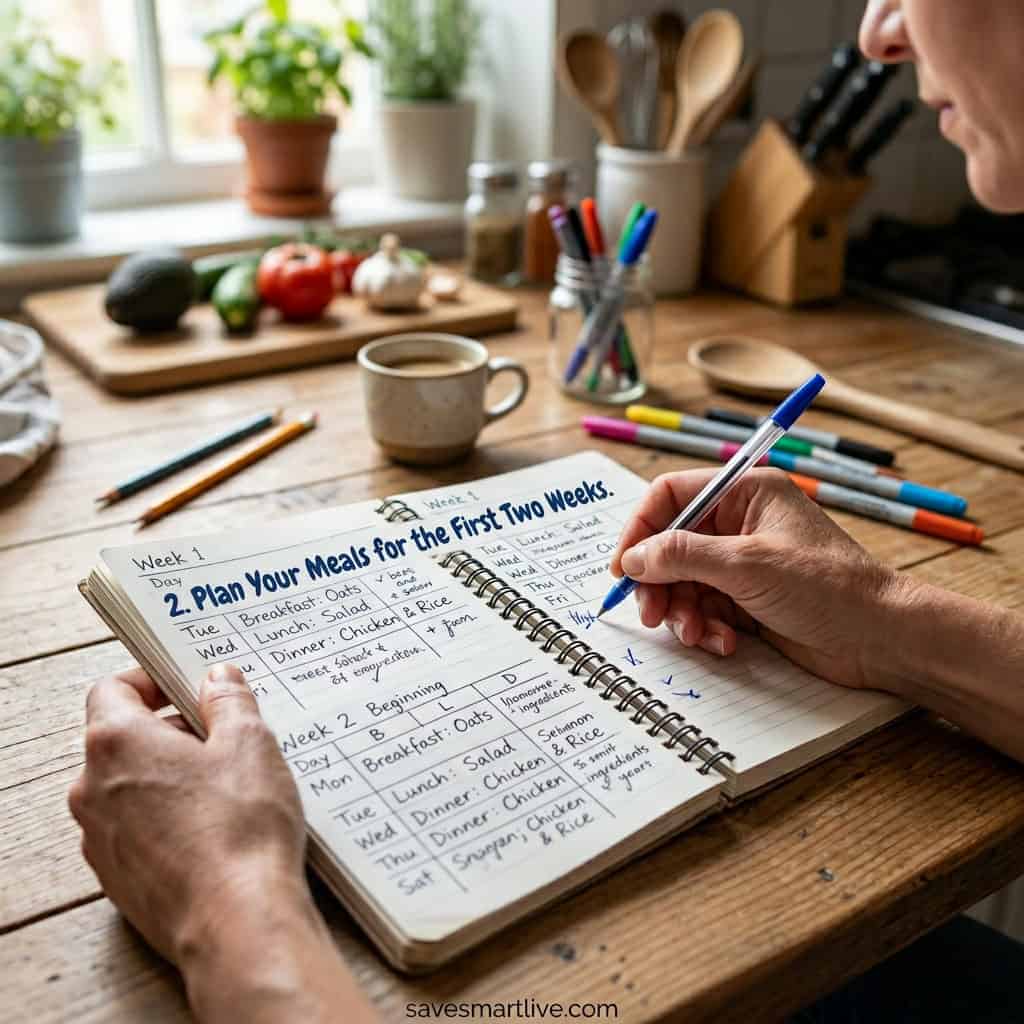
2. Plan Your Meals for the First Two Weeks
Meal planning is the secret weapon of any no spend month. I planned simple dinners using what I already owned. Breakfast was oatmeal or eggs. Lunch was leftovers. This stopped me from grabbing takeout when I felt lazy.
3. Pause or Cancel Subscriptions
I went through every subscription. I paused Netflix. I canceled two apps I forgot I had. I switched to free YouTube workouts instead of my paid app. This alone saved me $48 in one month.
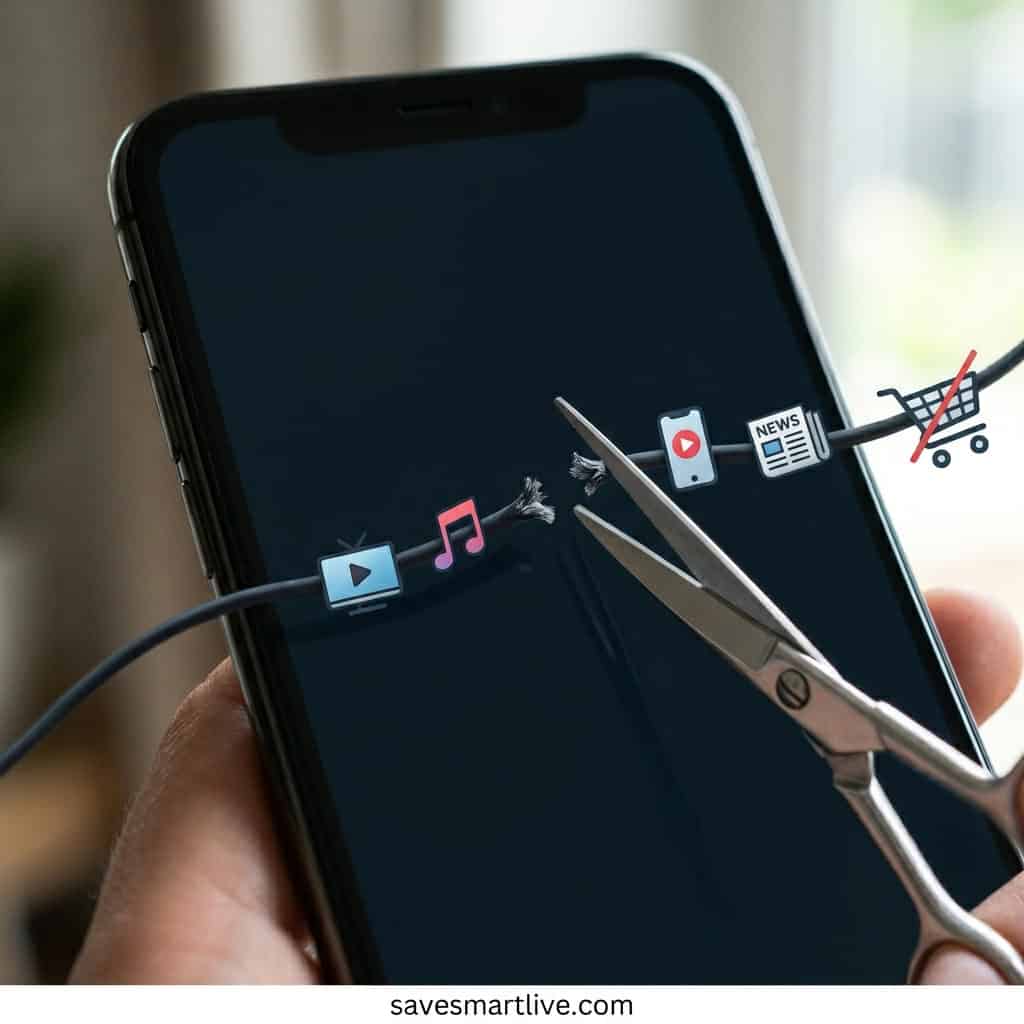
4. Unsubscribe from Marketing Emails
Sales emails are spending traps. I unsubscribed from every store email I could find. No “50% off” alerts means no impulse purchases.
5. Tell Your Family or Friends
I told my partner and two close friends. They supported me. We swapped dinner plans for free walks and home movie nights. Having people who knew kept me honest.

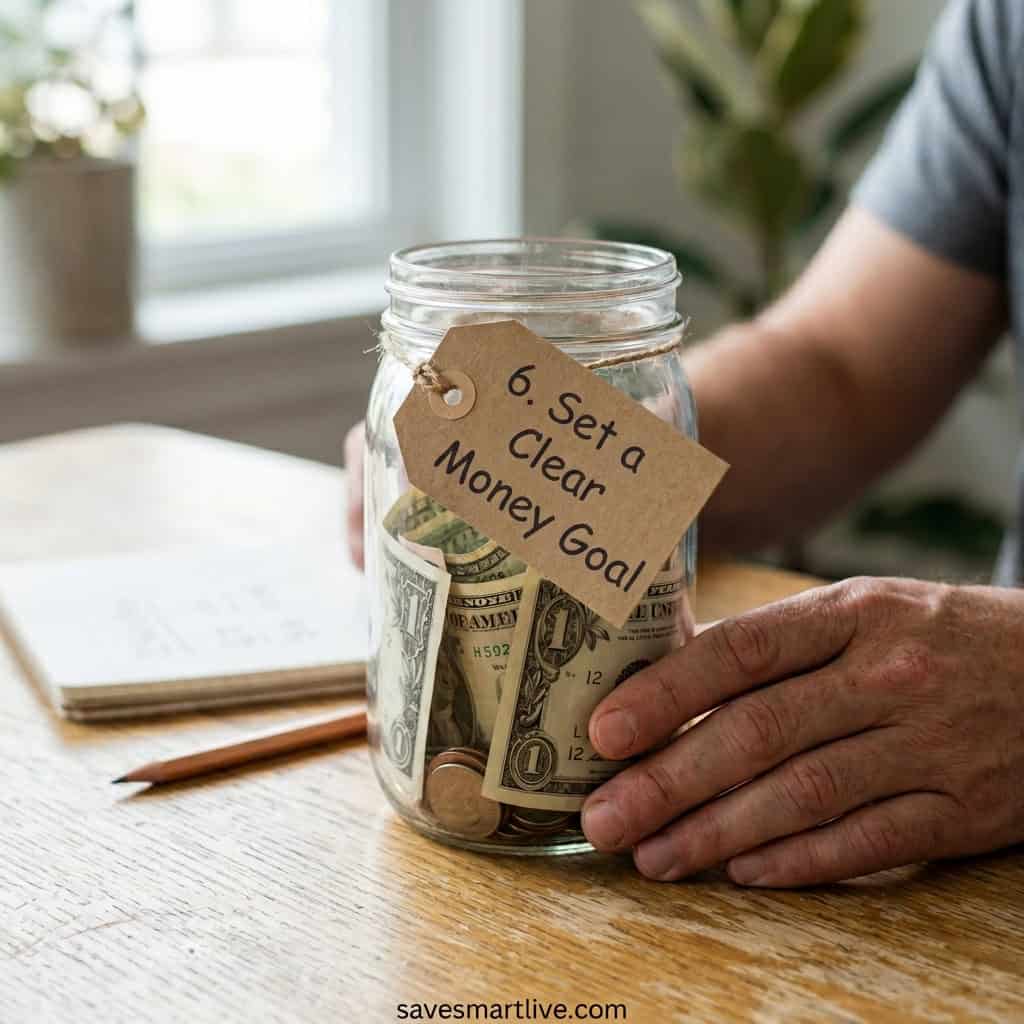
6. Set a Clear Money Goal
I picked a goal: save $700 for my emergency fund. Having a real target made it easier to say no to small things.
10 No Spend Month Tips That Helped Me Succeed
These are the real, simple tips that kept me going when I wanted to quit. Use the ones that fit your life.
1. Make a List of “Wants” Instead of Buying
Every time I wanted to buy something, I wrote it on a list. By the end of the month, I had 23 items on the list. I only actually wanted 4 of them. The rest were just impulse moments.
2. Plan Free Activities Each Week
Boredom is the biggest enemy of a no spend month. I planned free things to do every weekend. Library visits. Walks at sunset. Cooking new recipes. Movie nights at home. Game nights with friends.
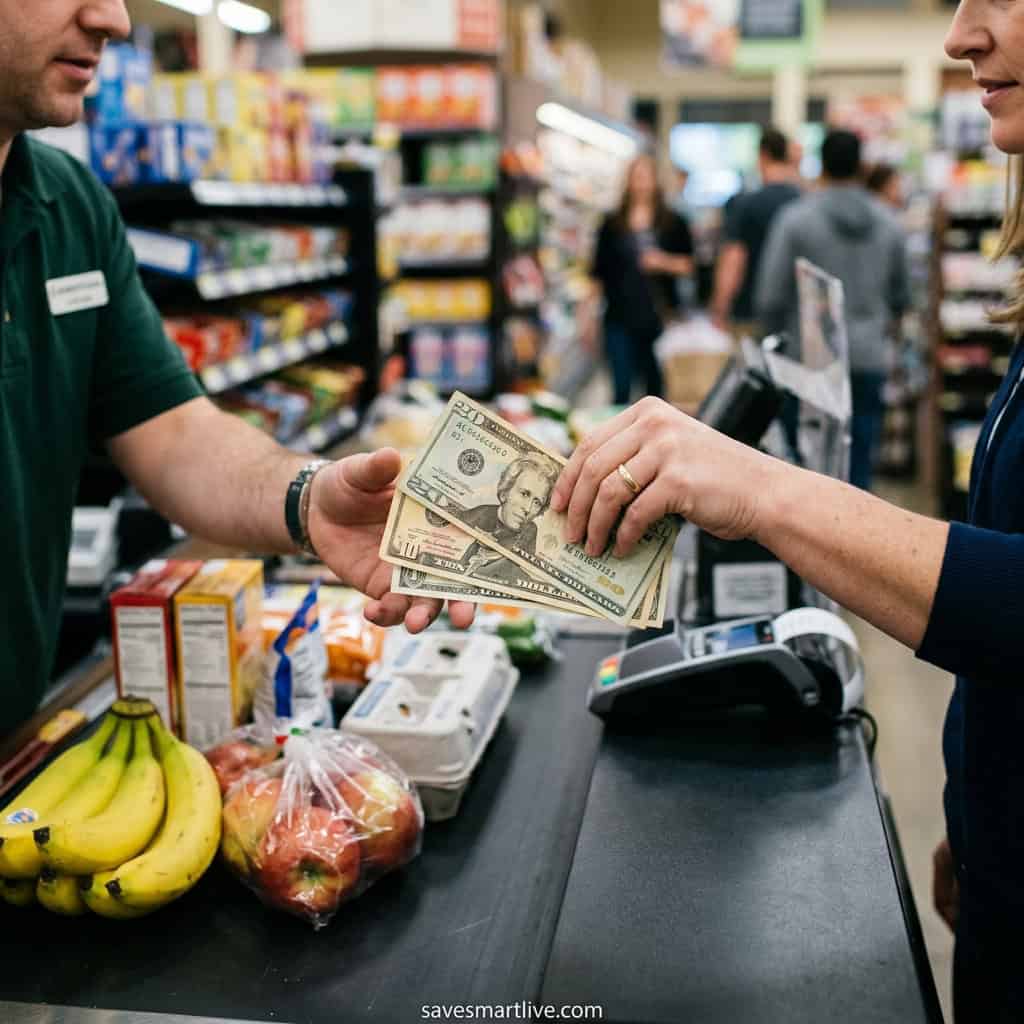
3. Use Cash for Groceries
I took out cash for groceries each week. When the cash was gone, I stopped buying. This stopped me from grabbing extra snacks at checkout.
4. Avoid the Stores That Tempt You Most
I knew Target was my weakness. So I just did not go. If I needed something, I sent my partner or used grocery pickup. Out of sight, out of cart.
5. Find Free Versions of Your Hobbies
I love coffee shops. So I made a “coffee shop” at home with a candle and my favorite mug. I love new books. So I used my library card for free ebooks. Almost every paid hobby has a free version if you look.
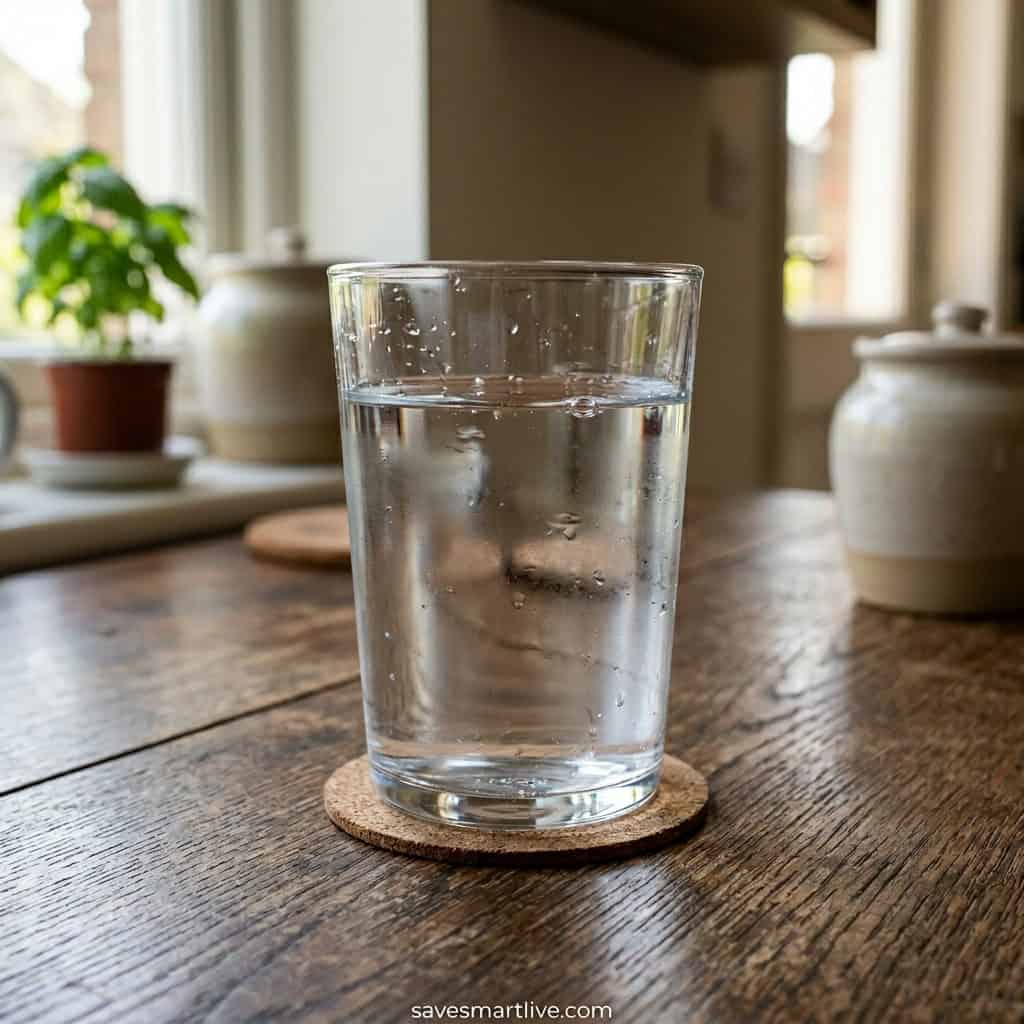
6. Drink More Water
This sounds random, but hear me out. I drank a glass of water before deciding to buy any food. Most of the time I was just thirsty, not hungry. This saved me from many takeout orders.
7. Find an Accountability Partner
I had a friend who was also doing a no spend month challenge. We texted every day. We celebrated wins. We talked through hard moments. This was a game-changer.
8. Reward Yourself Without Money
I made a list of free rewards. A long bath. A nap. A walk in the park. A movie night. Free rewards stopped me from feeling deprived.

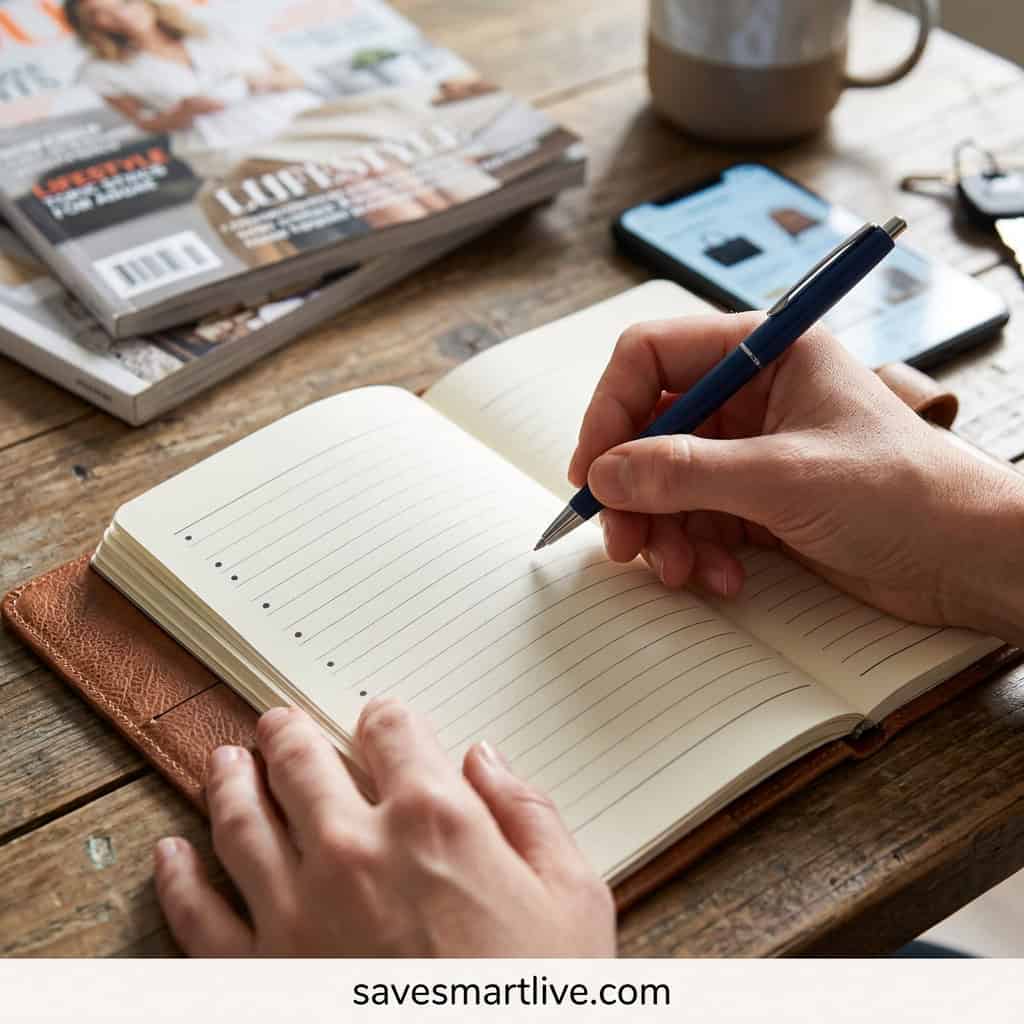
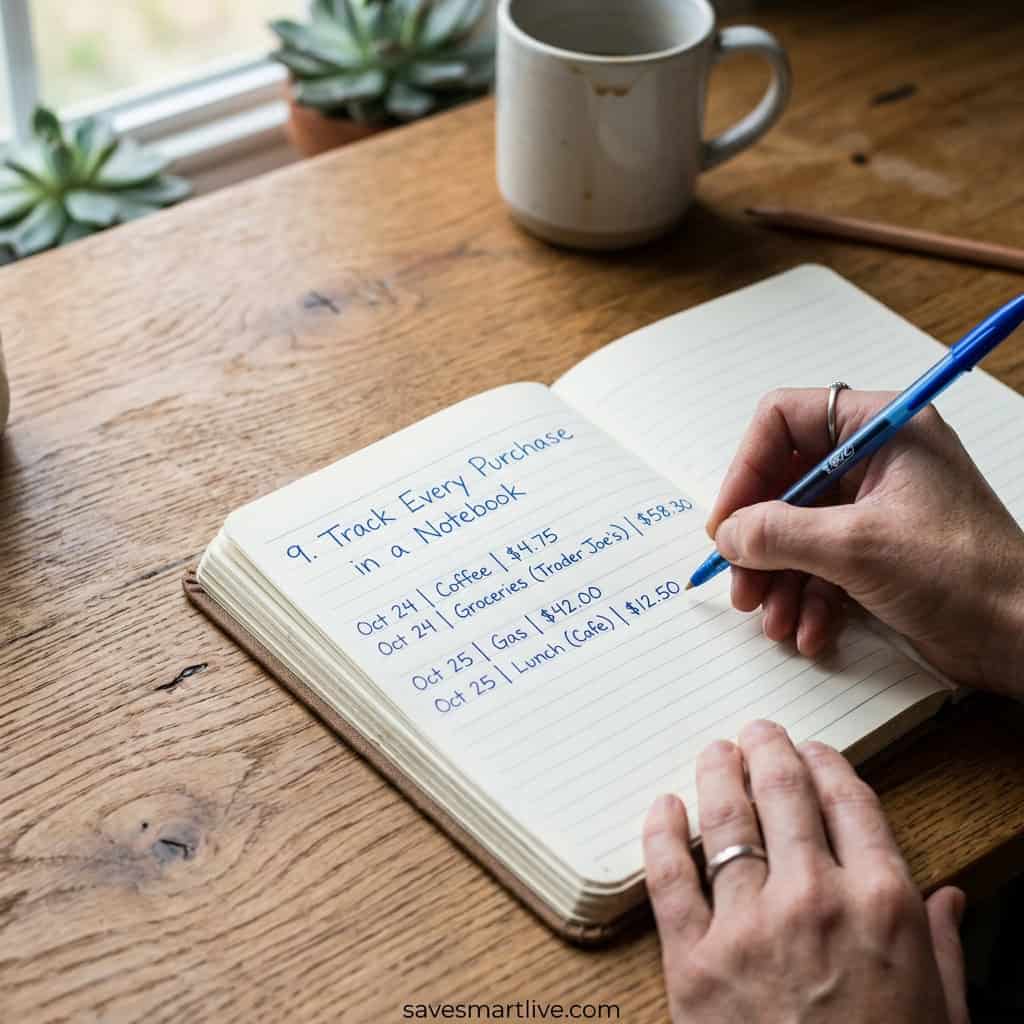
9. Track Every Purchase in a Notebook
I wrote down every dollar I spent. Even on essentials. Seeing it on paper made me think twice before spending. It also helped me find sneaky spending I did not notice before.
10. Plan for “Trigger Days”
Paydays. Fridays. Stressful work days. These are when I usually spent money. I made a plan for each one. On paydays I moved money to savings right away. On Fridays I planned a free fun thing. On stressful days I went for a walk instead of online shopping.
Common Challenges During a No Spend Month (And How to Beat Them)
I will not lie. The no spend month was not always easy. Here are the hardest moments and how I got through them.
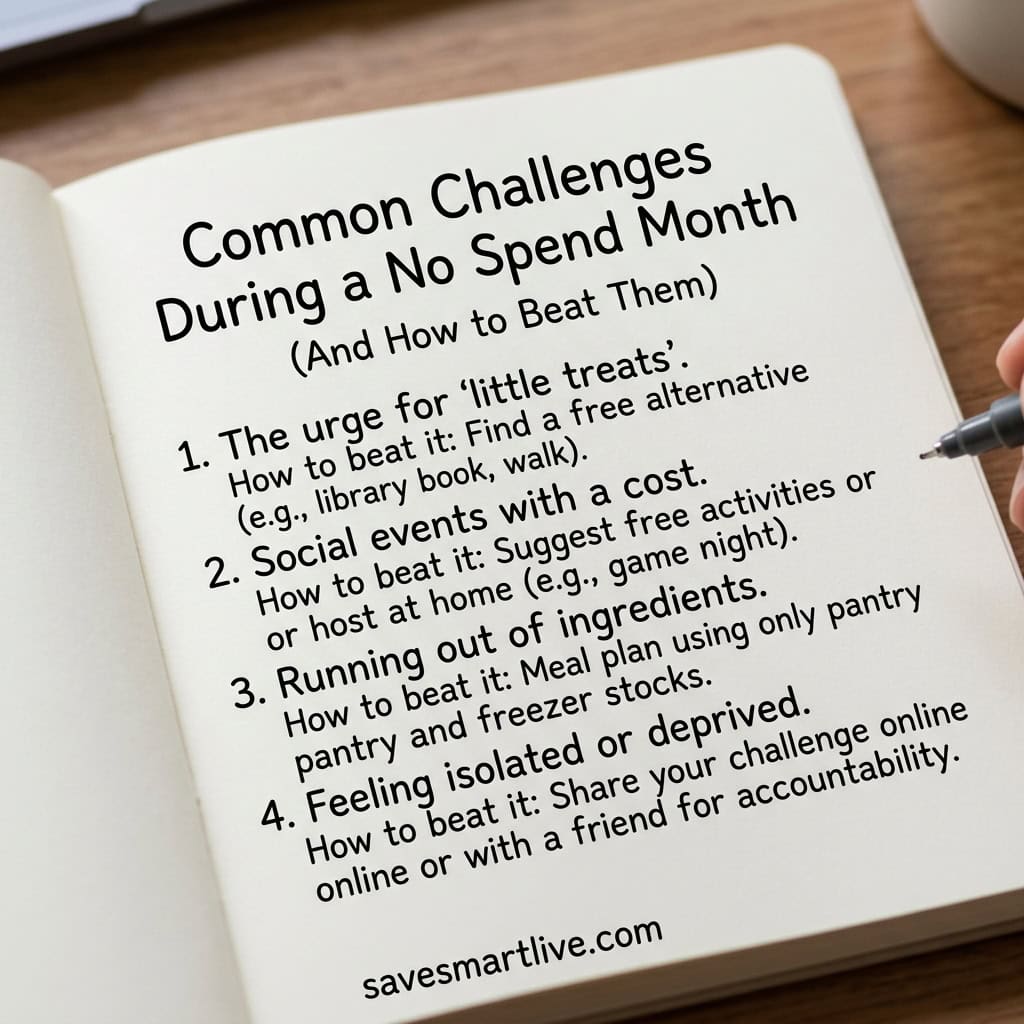
Challenge 1: Social Pressure
When friends invite you out, it is hard to say no. My fix was simple. I suggested free options instead. A walk. A potluck at home. A hike. Most friends were happy to swap. The ones who pushed back were the ones I needed to spend less time with anyway.

Challenge 2: Boredom Buying
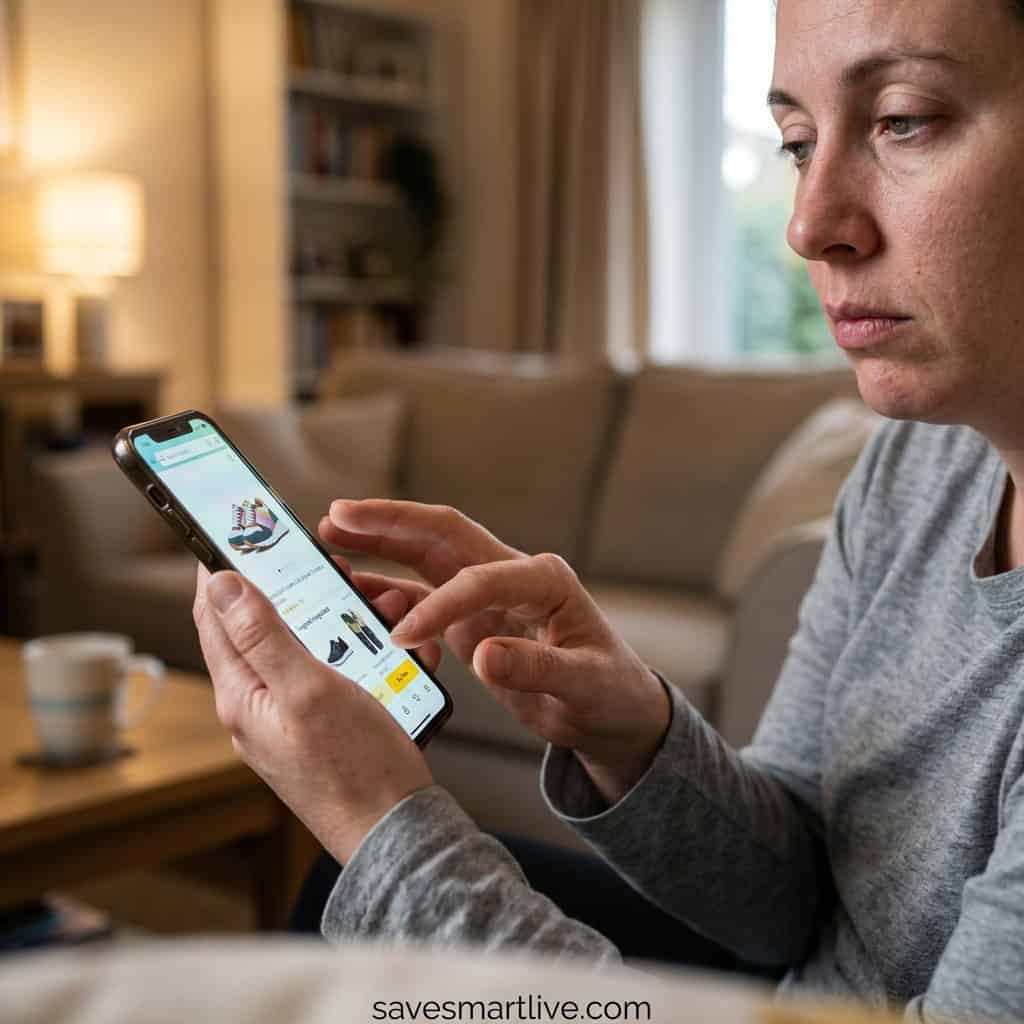
I scroll Amazon when I am bored. To beat this, I deleted the app. I replaced scrolling with reading, walking, or stretching. The first week was hard. After that, I stopped missing it.
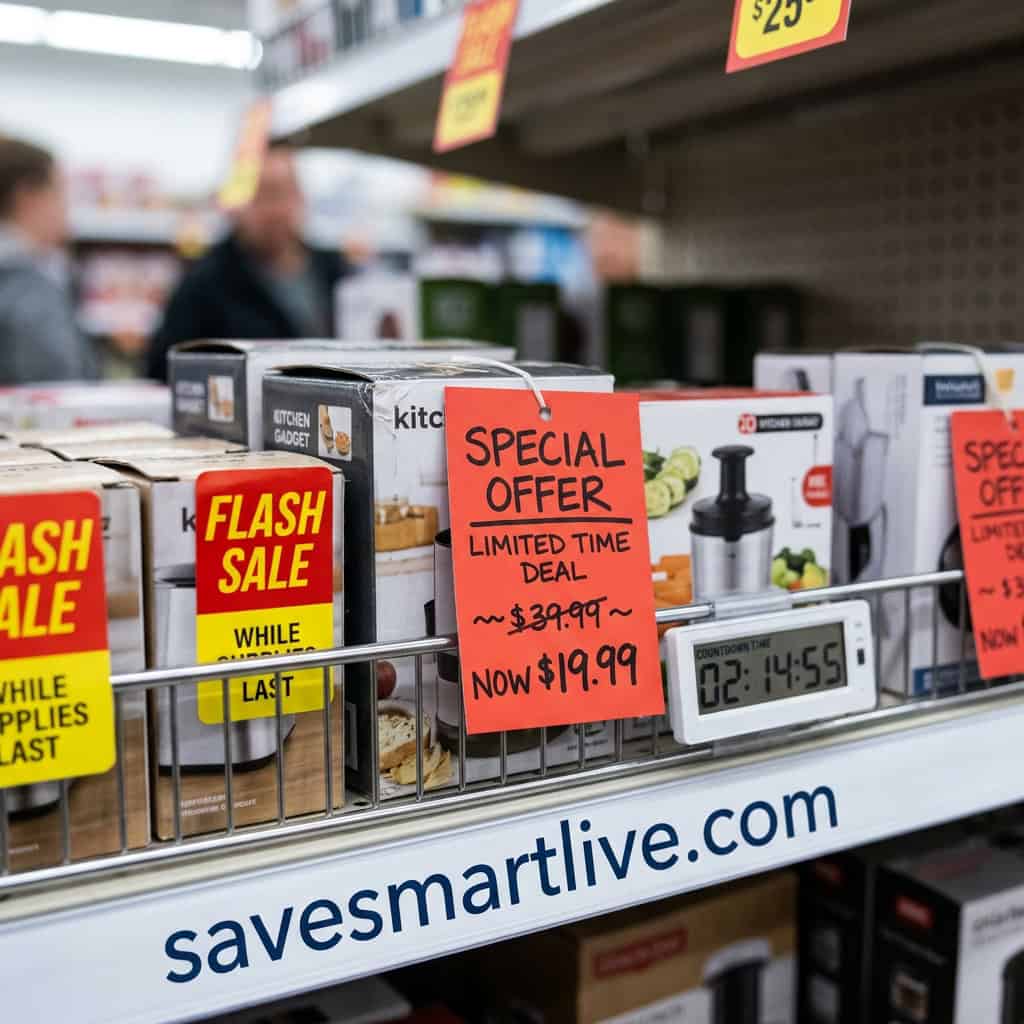
Challenge 3: Sales and “Limited-Time Deals”
Sales feel like saving money, but they are still spending. I reminded myself: a 70% off item is still 100% spending. If I did not need it before the sale, I did not need it during the sale.
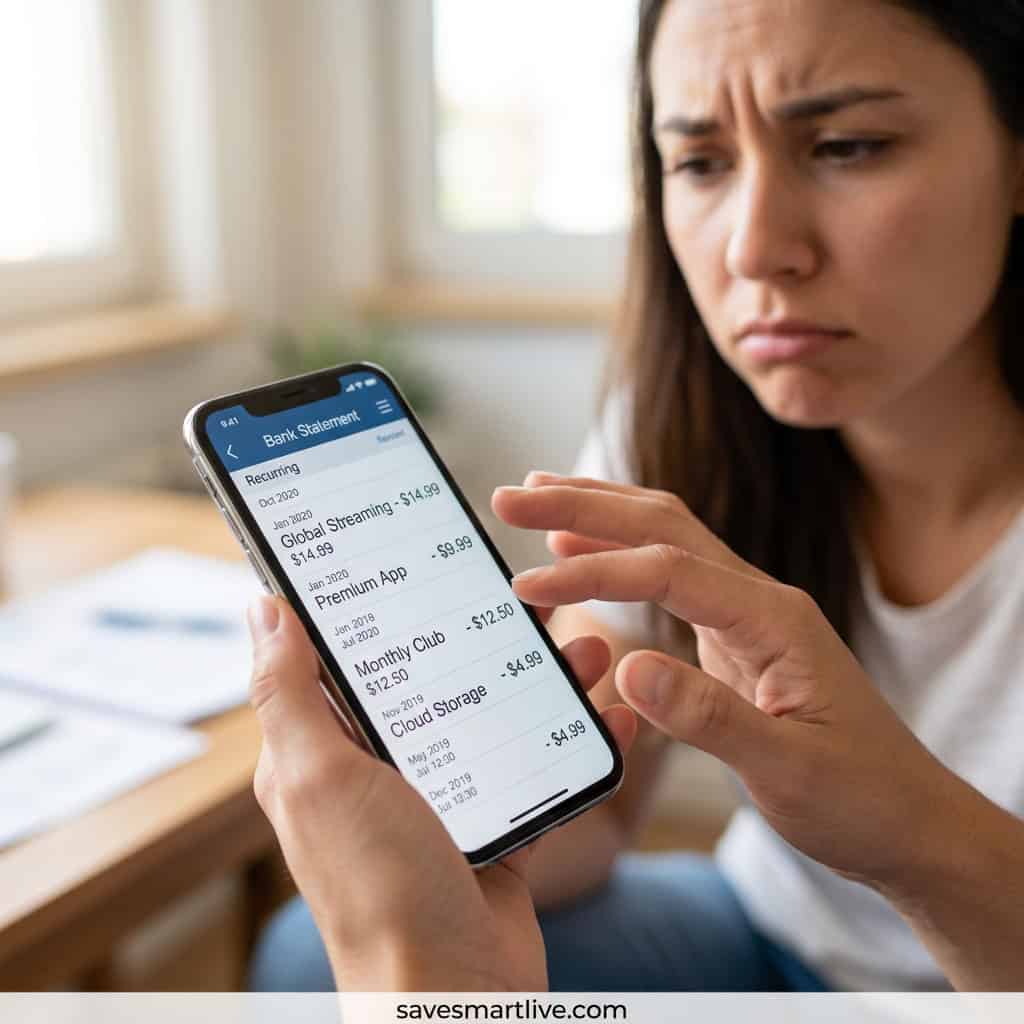
Challenge 4: Auto-Renewals
I forgot to cancel two subscriptions, and they renewed during my challenge. Lesson learned. Check every recurring charge before you start.
Challenge 5: Real Emergencies
My car needed a small repair in week three. I paid for it. Emergencies are not failures. The point of a no spend month is to cut optional spending, not real needs.

My No Spend Month Results: The Real Numbers
Now for the part you came here for. Here is what actually happened.
Money Saved
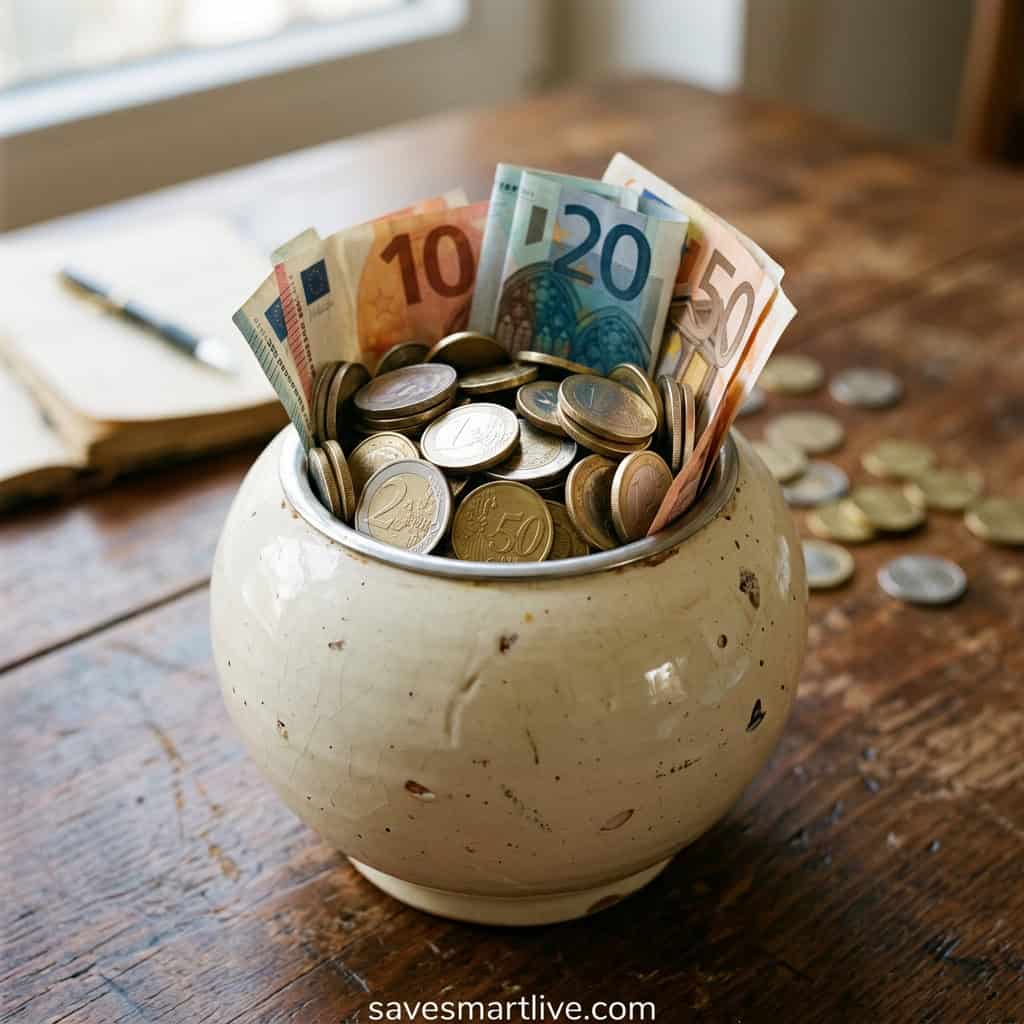
In a normal month, I spent around $1,200 on non-essentials. During my no spend month, I spent only $40 (a small gift for my mom and two coffee runs I caved on early in the month).
Total saved: $1,160
That money went straight into my emergency fund. I almost reached my $700 goal in just one month.
Other Surprising Results
The money was great, but the other changes surprised me even more:
- I lost 3 pounds because I stopped eating out so much.
- I slept better because I was not scrolling shopping apps at night.
- I cooked 27 meals at home and found 4 new favorite recipes.
- I read 2 full books for the first time in years.
- I felt calmer about money for the first time in a long time.
- I canceled 3 subscriptions for good and saved $52 every month going forward

What I Did Not Expect
I expected to feel deprived. I did not. I felt free.
I expected to want to binge spend at the end. I did not. I actually kept some habits going into the next month.
I expected to fail at least once. I almost did, but I learned something every time I felt tempted. Each “no” got easier.
What I Learned From My No Spend Month Challenge
Doing a no spend month taught me more than any budgeting book ever did. Here are the biggest lessons.
Most of My Spending Was Emotional
I spent when I was bored. I spent when I was sad. I spent when I was happy. Money was my reaction to every feeling. Once I noticed this, I could change it.
I Owned More Than I Realized
My pantry had two weeks of food. My closet had clothes I forgot about. My bookshelf had unread books. I did not need new things. I needed to use what I already had.
Saying No Got Easier
The first week was the hardest. By week three, saying no felt normal. New habits really do form quickly when you commit.
Free Time Is a Form of Wealth
Without shopping, I had more time. I cooked. I walked. I called family. I read. The no spend month gave me back hours of my life.
One Month Can Reset Years of Bad Habits
I had spent badly for years. One focused month broke the pattern. That gives me hope for any habit I want to change.
How to Start Your Own No Spend Month (Step-by-Step)
If you want to try your own no spend month challenge, here is the simple roadmap.
Step 1: Pick your start date. The first of the month works well, but any day is fine.
Step 2: Write down your “yes” and “no” lists. Be specific.
Step 3: Set a clear money goal. How much do you want to save
Step 4: Take inventory of your pantry, freezer, and household supplies.
Step 5: Plan your meals for at least the first 2 weeks.
Step 6: Pause or cancel non-essential subscriptions.
Step 7: Unsubscribe from store emails and delete shopping apps.
Step 8: Tell one person who will keep you accountable.
Step 9: Make a list of free things to do each week.
Step 10: Track every purchase in a notebook or app.
That is it. Ten simple steps. You can start tomorrow if you want.
No Spend Month Challenge: Frequently Asked Questions
Can I buy groceries during a no spend month?
Yes. Groceries are a need. Just stick to basic, simple groceries. Skip the gourmet snacks and fancy drinks. Plan your meals so you only buy what you really need.
What if I have an emergency during my no spend month?
Pay for it. Real emergencies like car repairs, medical needs, or urgent home fixes are not failures. The challenge is about cutting optional spending, not avoiding real life.
How much money can you save during a no spend month?
Most people save between $300 and $1,500 in 30 days. Your savings depend on how much you usually spend on extras. The more you normally spend, the more you can save.
What is the difference between a no spend month and a no buy month?
A no spend month focuses on cutting all extra spending for 30 days. A no buy year is similar but lasts 12 months and often allows replacements (like new shoes only when old ones wear out). No spend is short and strict. No buy is long and flexible.
Can I do a no spend month with my family?
Yes, and it works even better with your family. Talk to your partner and kids. Make it a fun group challenge. Plan free family activities. Cook meals together. Some families turn it into a game with rewards at the end.
Is one no spend month enough to change my habits?
For many people, yes. One focused month is enough to reset spending habits, build awareness, and create new routines. Some people do a no spend month every 3 or 4 months to stay on track.
What should I do after my no spend month ends?
Do not go on a spending spree. Slowly add back the things that truly added value to your life. Skip the things you did not even miss. This is where the real long-term savings happen.
Can a no spend month help pay off debt?
Yes. Many people use the money saved during a no spend month challenge to make extra debt payments. Even one focused month can knock hundreds of dollars off your debt.
Final Thoughts: Should You Try a No Spend Month?
If you have read this far, you already know the answer. Yes. You should try a no spend month challenge.
You do not need to be perfect. You do not need fancy tools. You just need 30 days, clear rules, and a real goal.
A no spend month is more than a money trick. It is a mindset shift. It teaches you that you have enough. That you do not need more stuff to be happy. That you can take back control of your money any time you choose.
My no spend month gave me $1,160 in savings, peace of mind, and habits that stuck long after the 30 days ended. Yours can do the same.
Pick a start date. Write your rules. Tell one person. And begin.
You will not regret it.
Here are some good external resource ideas you can link to naturally inside your article No Spend Month Challenge: Rules, Tips & My Results:
- Budget planner printable
- Savings calculator
- Grocery budgeting guide
- Minimalism or decluttering resources
- Free meal planning tools
- Debt payoff calculators
- Personal finance statistics
- Budgeting apps
- Coupon websites
- Financial literacy resources
Suggested external links:
- Consumer Financial Protection Bureau Budgeting Resources
- NerdWallet Budget Calculator
- EveryDollar Budget App
- Mint Personal Finance Guide
- USDA Budget Meal Planning Tips
- Ramsey Debt Snowball Method
- Goodbudget Envelope Budgeting System
- The Coupon Mom Savings Tips
You can place these links naturally in sections like:
- “How to Prepare for a No Spend Month”
- “Tools That Helped Me Save More”
- “Budgeting Resources”
- “Meal Planning Tips”
- “How I Tracked My Spending”
Read More : 15 Money Saving Challenges to Try in 2026 (That Actually Work)
$25 Weekly Meal Plan for Singles on a Budget (With Grocery List)
15 Things to Stop Buying to Save $500 a Month